Was this helpful? Want to stay connected and get updates on upcoming resources and the newest blogs? Add your email below!
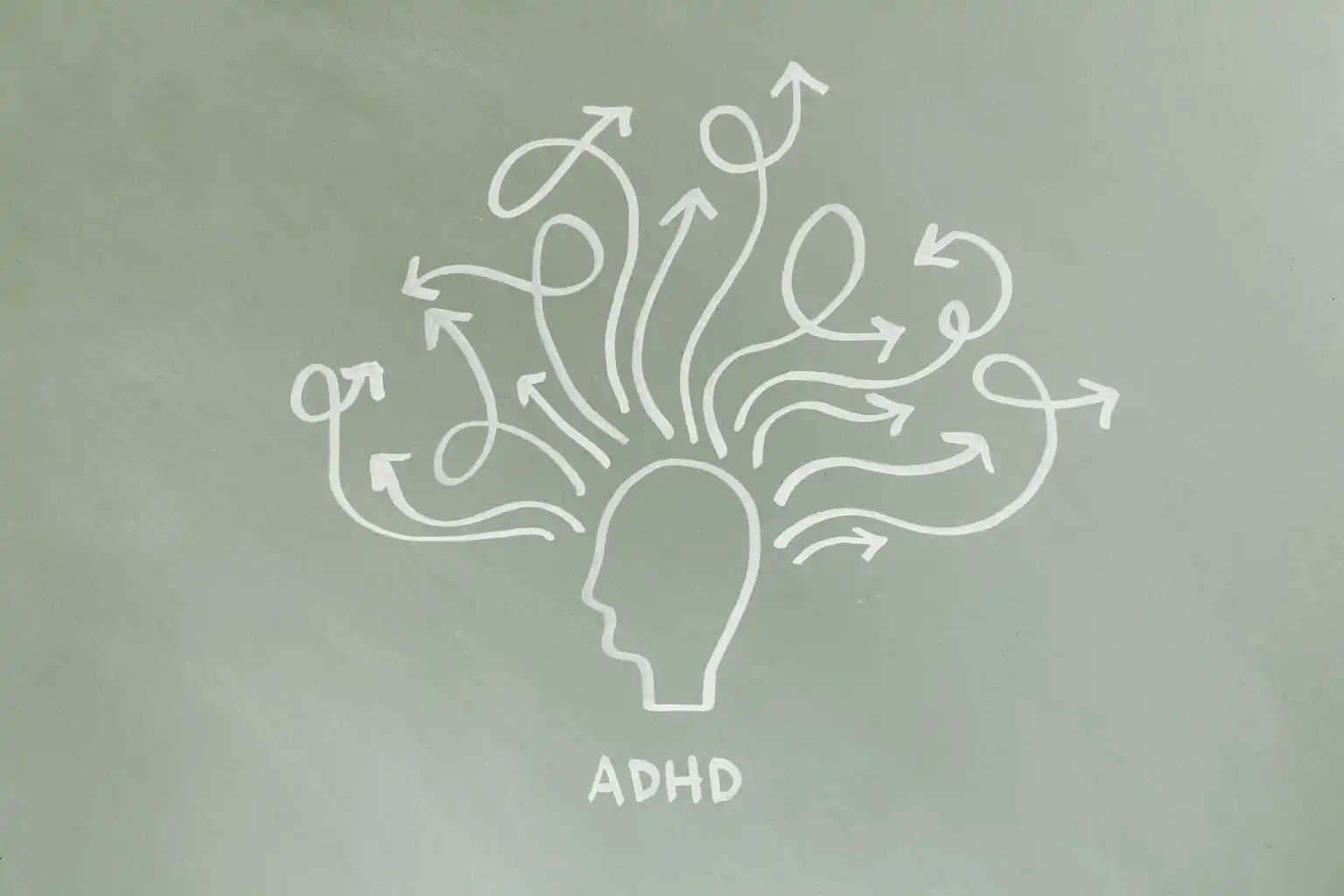 5 ADHD Myths Debunked
Attention Deficit Hyperactivity Disorder (ADHD) is a neurodevelopmental disorder that affects millions of people around the world. Despite its prevalence, there are many myths and misconceptions about ADHD that can create misunderstandings and even stigma around the condition. We’ll explore and debunk some of the most common ADHD myths here:
Myth #1: ADHD is not a real disorder.
One of the most pervasive myths about ADHD is that it is not a real disorder. This myth can be especially harmful because it can lead to people not seeking help for their symptoms or not taking ADHD medication as prescribed. However, there is a significant body of research that supports the existence of ADHD as a legitimate and clinically significant disorder. ADHD is recognized by the American Psychiatric Association and is included in the Diagnostic and Statistical Manual of Mental Disorders (DSM-5).
Myth #2: ADHD only affects children.
While it is true that ADHD is often diagnosed in childhood, it is not a disorder that only affects children. Many people with ADHD continue to experience symptoms into adulthood, and some may not receive a diagnosis until later in life. In fact, it is estimated that around 4-6% of adults in Canada and the U.S. have ADHD.
Myth #3: People with ADHD are just lazy or unmotivated.
Another common myth about ADHD is that people with the disorder are lazy or lack motivation. In reality, people with ADHD often struggle with executive functioning skills, such as organization, time management, and prioritization. These challenges can make it difficult for them to complete tasks or follow through on goals, even if they are highly motivated to do so.
Myth #4: ADHD only affects boys.
Although ADHD is more commonly diagnosed in boys than in girls (3:1), it is not a disorder that exclusively affects boys. Girls and women with ADHD may be underdiagnosed or misdiagnosed because their symptoms can present differently than they do in boys and men. For example, girls with ADHD may be less likely to display hyperactivity and more likely to exhibit inattentive symptoms.
Myth #5: ADHD can be cured by changing your diet or lifestyle.
While a healthy diet and lifestyle can certainly be beneficial for managing ADHD symptoms, there is no cure for the disorder. ADHD is a neurodevelopmental disorder that affects brain functioning, and it is not something that can be cured through lifestyle changes alone. However, medication, therapy, and other treatments can be effective in managing ADHD symptoms and improving quality of life for people with the disorder.
In short, ADHD is a real and serious condition that can affect anyone, regardless of age or gender. By busting these myths, we can help reduce stigma and ensure that people with ADHD get the support they need to live their best lives. For more information about ADHD, and/or how you can go about getting assessed, please click here, or visit the Contact Us page for details!